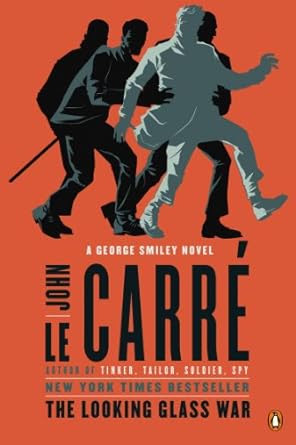
This book took its time, unfolding slowly as the groundwork was laid for sending an agent behind the lines in East Germany. At first, I found myself waiting for the story to really get going, but in hindsight, that slow build was part of the point. It reflected the tedious preparation, the quiet politics, and the weight of expectation that hung over every decision in the Cold War.
When the mission finally began, it was not the slick, glamorous spy work we often imagine. Instead, it was messy, uncertain, and deeply human. Mistakes were made, opportunities missed, and the cost of those choices became painfully clear. The ending was stark—no victory, no catharsis, no neat resolution. Just the brutal reality of how unforgiving this world could be when things didn’t go as planned.
What struck me most was how unromantic the portrayal of espionage was. There were no heroes walking away unscathed, only ordinary men caught up in a machine that offered them little chance of success. It left me with that lingering sense of wow—not from excitement, but from the weight of what I’d just read. A sobering reminder that in the Cold War, the shadows rarely delivered happy endings.